
Land Acknowledgment
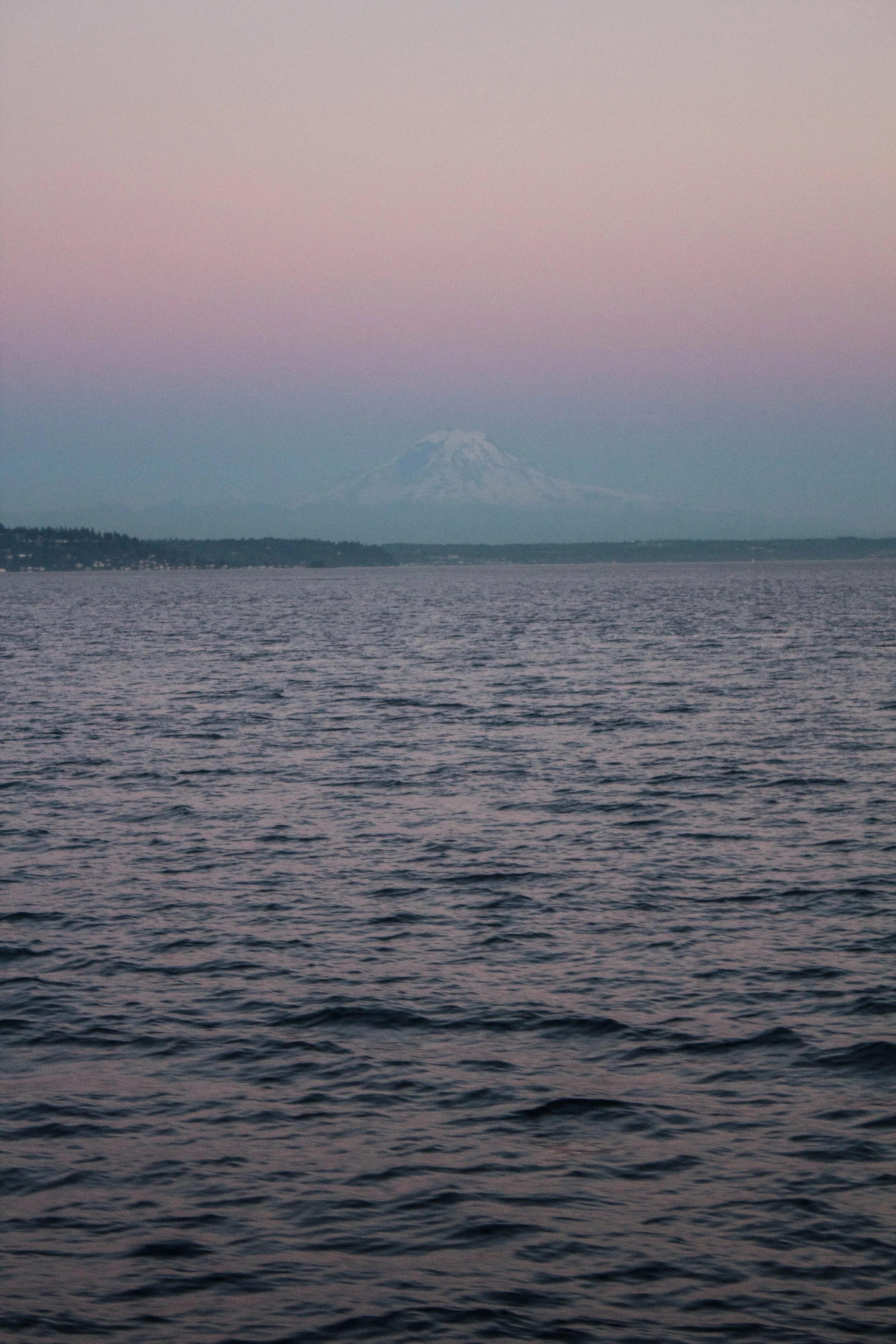
I live and work on the ancestral homelands of the Sduhubš (Snohomish) people, the Dxʷlilap (Tulalip) people, and Coast Salish nations whose relationship with these lands and waters extends back since time immemorial. I offer gratitude to the land herself — to the waters, the forests, the salmon, the cedar, and all of the human and more-than-human beings who have cared for and called this place home across generations.
This acknowledgment is only a small gesture. It does not undo dispossession, and it does not replace meaningful relationships, learning, advocacy, or support for Indigenous communities. Rather, it is an invitation to re-member that every place has a history, every landscape has caretakers, and every act of gratitude carries responsibilities.
If you are reading this, I invite you to learn about the Indigenous peoples whose ancestral lands you live, work, and gather upon, and to consider what it means to be in reciprocal relationship with those communities and with the land itself.
“In some Native languages the term for plants translates to “those who take care of us.”